Walk into a plant shop and you can find a pothos for ten bucks. Easy.
Then you see it. A single plant with a tag that says $120 or $250 and you start wondering if the pot is made of gold.
It is not the pot.
"Rare” can mean a few different things
A plant can get expensive when it is...
-
- Hard to propagate
- Slow to grow
- Grown in limited quantities
- In high demand because of a trend or a collector community
- Variegated in a way that is unpredictable and hard to reproduce
Variegation is often the price driver
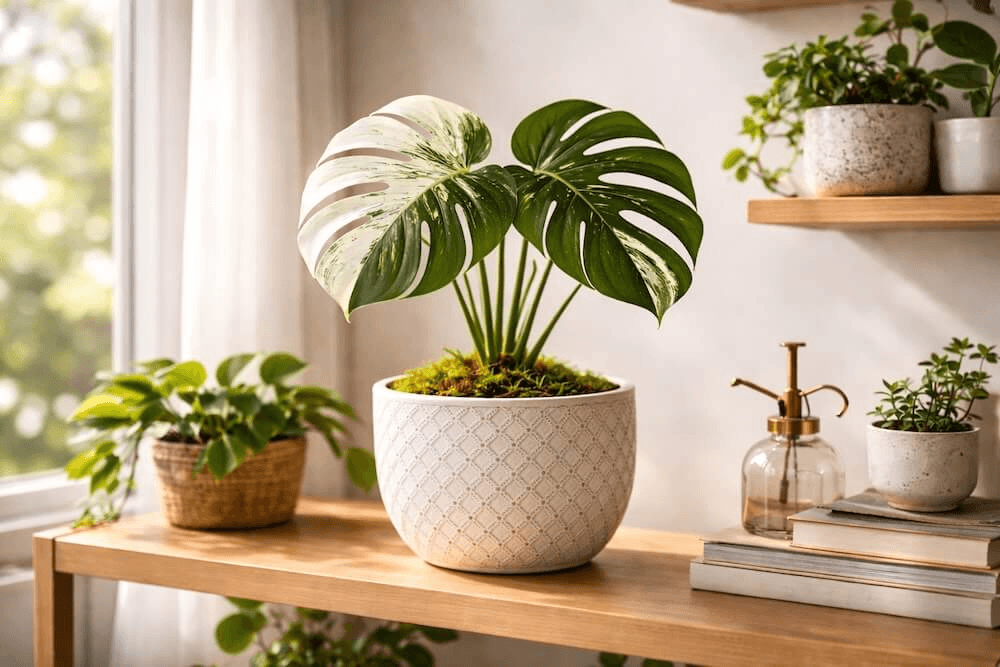
Those white, cream, pink or lime patterns on leaves are called variegation. In many plants, that pattern is not guaranteed from one cutting to the next. That uncertainty plus the look is a big reason prices climb.
What kinds of plants commonly hit $100+
Here are examples you will see collectors talk about and local plant groups trade...
Variegated Monstera types
Big leaves, bold patterns, slow propagation, heavy demand.
Philodendron collectors chase
Some cultivars have unique colors or leaf shapes and are released in small batches.
Anthuriums with dramatic veining
These often have a “jewelry” look and take time to mature.
Rare Hoyas
Some varieties are slow growers and can take a long time to establish.
“Tiny plant, big price” starters
Even small cuttings can be expensive if the plant is rare and the genetics are desirable.
Size is not the point
With pricey plants you are often paying for genetics and rarity, not for how big it is today. A $150 plant might be two leaves now but the buyer is paying for what it can become.
How to buy a $100+ plant without regret...
1) Ask what you are actually buying - Is it a rooted plant, an unrooted cutting, or a node? The price should match the risk.
2) Check stability - If it is variegated, is the pattern stable or likely to revert to plain green?
3) Inspect for pests - Look under leaves and along stems. High priced plants attract heartbreak when pests show up.
4) Know the care requirements before you pay - Some rare plants need higher humidity and consistent light. If your home is dry and dim, pick a different flex.
5) Buy from someone who will answer questions - A good seller will explain care and show real photos of the exact plant.
Have you ever paid over $100 for a plant or do you have one you would never sell?




0 Comments
Join the conversation
Be the first to comment
Share your thoughts above.