

Should You Plant a Bradford Pear Tree in Your Yard? |
A closer look at the popular yet controversial Bradford pear tree |
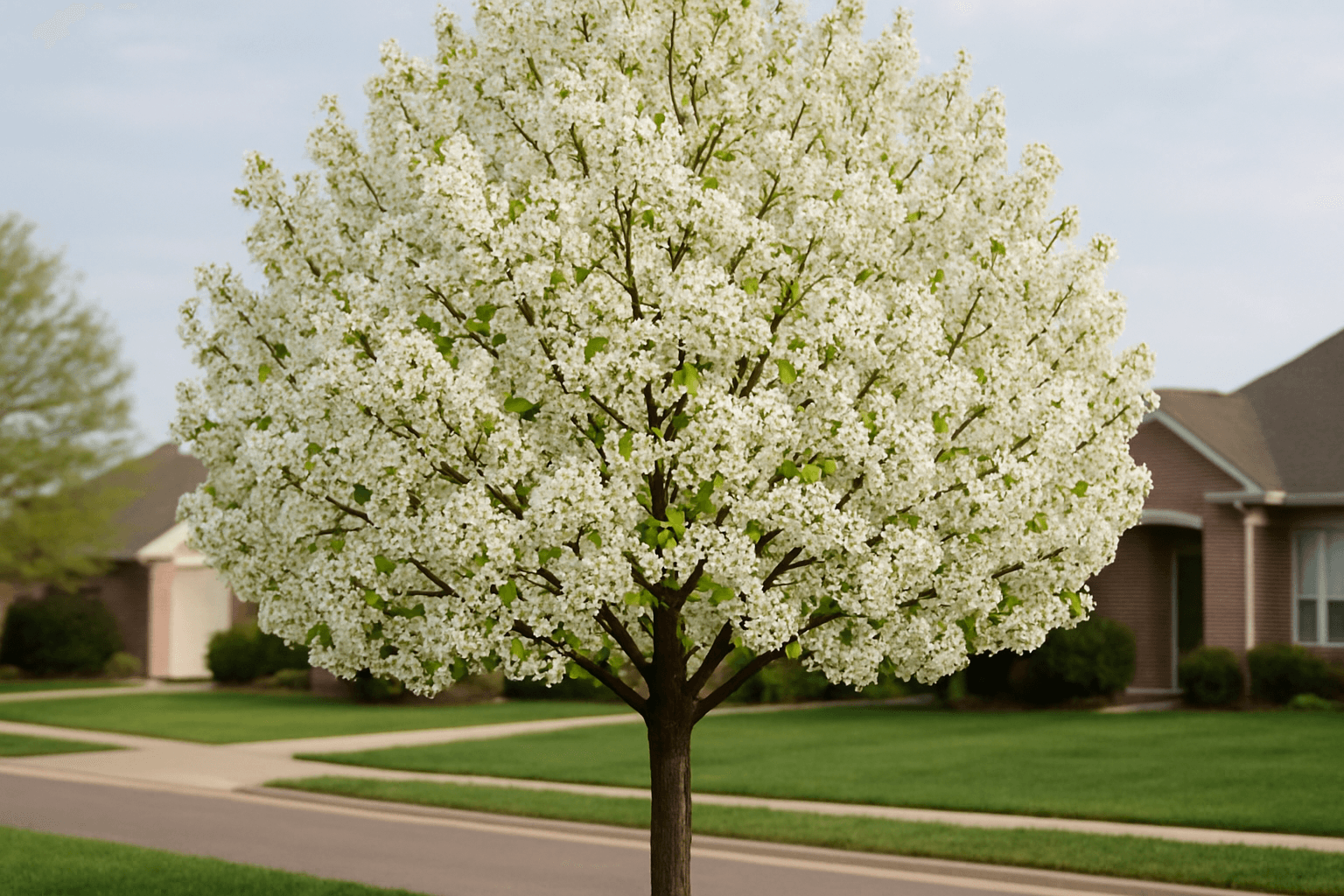
Bradford pear trees have long been a popular choice for homeowners and landscapers due to their rapid growth and striking spring blossoms. These trees are often planted in urban and suburban areas to provide quick shade and ornamental appeal. However, despite their initial charm, Bradford pears come with a set of challenges that are important to understand before planting.
Lets we explore the characteristics of Bradford pear trees, their benefits and the issues that have led to their controversial reputation. Whether you are considering planting one or simply want to learn more about this common tree, this guide will provide valuable insights.
Characteristics and Appeal of Bradford Pear TreesBradford pear trees are known for their symmetrical shape and dense, rounded canopy. They produce clusters of white flowers in early spring, which create a visually stunning display. Their leaves turn vibrant shades of red, orange and purple in the fall, adding seasonal interest to any landscape.
One of the main reasons for their popularity is their fast growth rate. Bradford pears can quickly fill in spaces, making them ideal for creating privacy screens or shade in a relatively short time. They are also tolerant of a wide range of soil types and urban pollution, which makes them resilient in city environments.
Additionally, Bradford pears are adaptable to many site conditions and are relatively resistant to some pests and diseases, but they often require pruning and can become high-maintenance as they age because of their weak branch structure. They are relatively pest-resistant and do not demand frequent watering once established, which appeals to many gardeners and property managers.
Challenges and Controversies Surrounding Bradford PearsDespite their attractive features, Bradford pear trees have significant drawbacks that have caused concern among horticulturists and environmentalists. One major issue is their weak branch structure. The tree’s branches tend to grow at narrow angles, making them prone to splitting and breaking during storms or heavy winds.
This structural weakness can lead to safety hazards and increased maintenance costs. Homeowners often find themselves needing to prune or remove damaged limbs, which can be both time-consuming and expensive.
Another concern is the invasive nature of Callery pear cultivars, including Bradford pear. While Bradford was once thought to be sterile, cross-pollination with other Callery pear cultivars can produce viable fruit and seed that birds spread into natural areas, where escaped trees can outcompete native plants. They produce abundant seeds that spread easily, allowing the tree to naturalize and outcompete native plants. This can disrupt local ecosystems and reduce biodiversity, leading many communities to discourage or ban their planting.
Key Facts About Bradford Pear Trees
Understanding these facts can help you make an informed decision about whether a Bradford pear tree is suitable for your landscape. While they offer quick beauty and shade, the potential risks and environmental impacts should be carefully weighed.
Alternatives and Best Practices for PlantingIf you are looking for a tree with similar aesthetic qualities but fewer problems, consider native species that provide seasonal interest and support local wildlife. Trees like serviceberry, redbud or dogwood offer beautiful flowers and fall colors without the invasive tendencies.
When planting any tree, it is important to consider the site conditions, space for growth and long-term maintenance needs. Proper pruning and care can help reduce the risk of branch failure and promote a healthy, strong structure.
Consulting with a local arborist to ensure your landscape thrives sustainably.
Sources https://www.aces.edu/blog/topics/forestry-wildlife/callery-pear-history-identification-and-control
|




0 Comments
Join the conversation
Be the first to comment
Share your thoughts above.