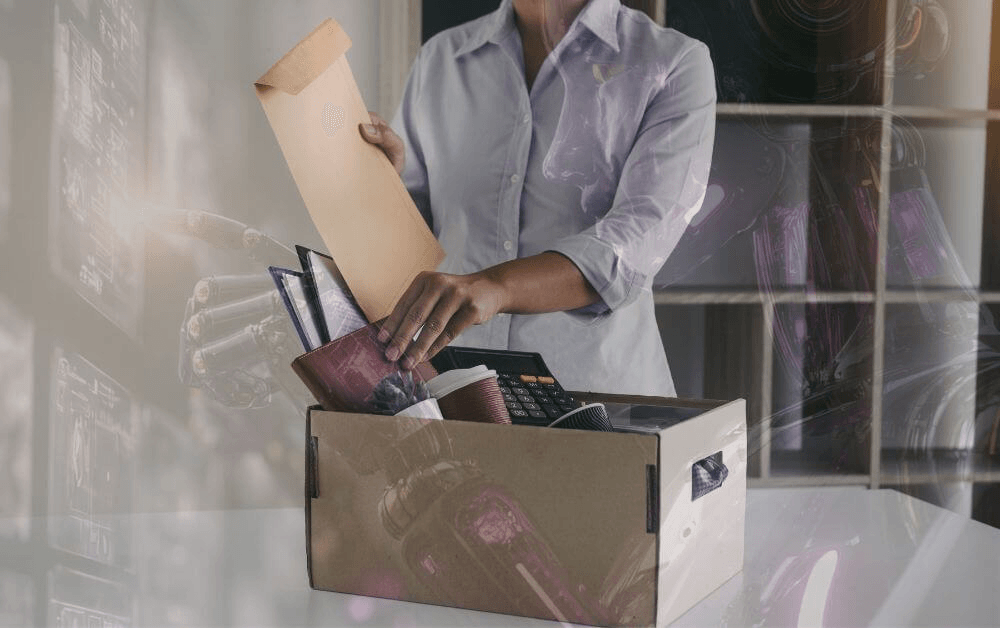
Let’s be honest. A lot of people in Madison are wondering the same thing. If AI can already write emails, answer customer questions, analyze data and even help diagnose problems, what happens next? What happens to the people whose jobs used to depend on those tasks?
Some folks say it is just the next wave of progress. Others feel nervous. And some are trying to figure out what it means for their own future.
So let’s talk about it the way the community actually talks about things. With real questions. With curiosity. With a little worry but also a little hope.
Are jobs disappearing or simply changing
This is the question everyone wants a straight answer to. The truth is that AI is not marching in to replace whole careers overnight. What it does is chip away at the small pieces first. The repetitive things. The parts of a job no one really enjoys.
But here is the thing... When you remove those small tasks, the rest of the job starts to shift. People end up doing more of the work that requires thought or care or skill. So the job does not die. It grows into something different.
Have you already seen this happening in your workplace?
Is AI making us more productive or pushing us aside
Some workers feel energized because the technology helps them get more done. Others feel like they are competing with a machine. That tension is real.
Think about it. If an AI tool can handle scheduling, communication and simple research, what does that mean for the person who used to do all that? Does it free them up or does it make them feel replaceable?
It depends on the environment. It depends on the leadership.
Have you ever felt both excitement and anxiety at the same time when trying a new tool?
So what jobs remain safe
The ones that rely on human judgment. The ones where you need empathy or creativity. The ones that require you to physically do something with your hands. The ones where trust matters.
And that is where Huntsville and Madison are in a unique spot. AI can help an engineer but it cannot replace one. It can scan documents but it cannot fix a water heater or replace brakes on a car. It can suggest lesson plans but it cannot run a classroom.
What jobs do you think will be the last ones standing?
Are we moving into a future where humans partner with AI
This may be the direction we are truly headed. Not humans versus AI but humans plus AI. You see it already in small businesses here. A shop owner uses AI to write product descriptions but still needs real interactions with customers. A local photographer uses AI to sort images but still uses their eye to choose the best shots. AI becomes a tool not a takeover.
If AI could remove your least favorite part of your job, would you want it to?
What does this mean for our community
Madison is growing. Huntsville is growing. New jobs keep coming in but the shape of those jobs may look different than before. People who learn how to use AI will move ahead faster. People who ignore it may feel stuck.
This transition is not about being a tech expert. It is about being willing to adapt. It is about learning new tools the same way people once learned computers or smartphones.
Some people say AI will take jobs. Others say people who know how to use AI will take jobs. Which side do you think will win out?
No one has all the answers but one thing is clear. AI is not replacing the parts of us that make us human. It cannot care. It cannot empathize. It cannot understand the weight of responsibility. It cannot dream.
The future belongs to people who mix human skill with smart tools. And in a city like Madison that values innovation and community we have every reason to believe we can handle this next chapter too.




0 Comments
Join the conversation
Be the first to comment
Share your thoughts above.