

How to Prepare for a Deep Freeze in Madison, Alabama |
Learn how to prepare for a deep freeze with timelines, safe warmth strategies, home protection tips and essential supplies to stock before severe cold hits. |
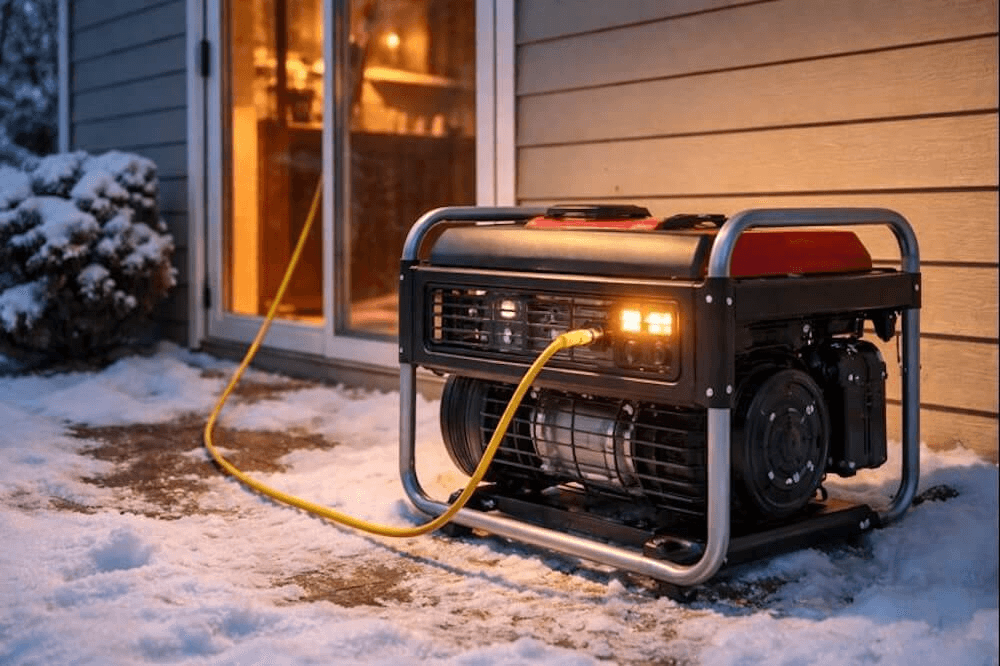
When temperatures plunge into a deep freeze... whether it’s a surprise cold snap or part of a forecasted winter storm... having a plan in place weeks before can make all the difference for your family’s comfort and safety. Here’s a step‑by‑step guide to help you prepare early, stay warm and cope with the challenges of extended cold weather in North Alabama. When to Start PreparingPreparing for a deep freeze ideally begins days to weeks before the cold arrives...
1 - 2 weeks out Review your emergency supplies, check heating systems and stock up on nonperishables.
Several days ahead Monitor the weather forecast and make any final shopping trips.
24 - 48 hours before Charge devices, bring outdoor items inside and adjust your home for the cold. Accurate weather warnings give you time to act before conditions worsen.
Starting early avoids last‑minute rushes to stores and gives you time to winterize your home properly.
Warmth & Heat OptionsWhen deep freeze conditions hit, staying warm is a priority. Consider these safe options...
Home Heating Systems Ensure your furnace or central heat is serviced and running efficiently before the cold arrives. If you have a backup heat source (like a wood stove), make sure chimney and vents are clear and safe.
Portable Space Heaters These can be helpful... but only if they’re used safely, with automatic shutoffs and kept away from flammable materials.
Blankets & Insulation Heavy blankets, down comforters and sleeping bags rated for cold temperatures trap body heat well.
Layering Clothing Several layers including base layers, fleece or wool, hats, gloves and insulated socks help your body retain warmth.
Stocking Up: What to Have on HandDeep freezes can bring power outages and travel disruptions, so having supplies ready at home is essential.
Food & Water * At least one gallon of water per person per day (plus for pets). * Non‑perishable foods... canned soups and stews, peanut butter, dried fruit, crackers, granola, nuts and energy bars. Emergency & Safety Supplies* Flashlights and extra batteries Car & Travel Supplies* Extra warm clothes and blankets
Stock at least a three‑day supply of food and water, but if possible plan for up to a week or more... especially if power outages or blocked roads are expected.
Home Protection TipsKeeping your home safe from the freeze can prevent costly repairs...
Insulate Pipes Wrap water pipes in unheated areas with insulating foam or even household materials like towels or bubble wrap. If pipes freeze, let faucets drip slightly to help prevent breakage.
Seal Drafts Seal windows and doors with weather stripping or rolled towels to keep cold air out and heat in. Outdoor Preparations* Disconnect and store garden hoses
Safety First: What to AvoidDuring a deep freeze...
* Never use indoor grills or outdoor heaters inside... they can cause carbon monoxide poisoning.
Frequently Asked Questions
How long should I prepare food and water for? Experts recommend a minimum of three days of water and non‑perishable food for each person and longer (up to one week or more) if possible.
What is the minimum safe indoor temperature? Keeping your thermostat no lower than about 55°F when away can help prevent frozen pipes and ensure heat recovery.
Can I use my car to keep warm? Only if the car is outside with the exhaust pipe clear... but use this sparingly to avoid carbon monoxide buildup. Always crack a window slightly for ventilation.
Should I let faucets drip? Yes... letting faucets drip slightly can help prevent pipes from freezing when temperatures drop significantly.
A deep freeze can be more than uncomfortable... it can challenge your home’s systems, disrupt routines and put extra strain on families and pets. But with a thoughtful plan, early preparation and safety‑minded stocking of essentials, you can stay warm and confident even when the mercury drops. Planning ahead not only protects your property and comfort... it gives you peace of mind. |



0 Comments
Join the conversation
Be the first to comment
Share your thoughts above.