

Falling Back in Madison: How Daylight Saving Time Affects Our Daily Rhythm |
Learn how Daylight Saving Time affects Madison, Alabama... from local routines to business hours and which U.S. states skip the clock change entirely. |
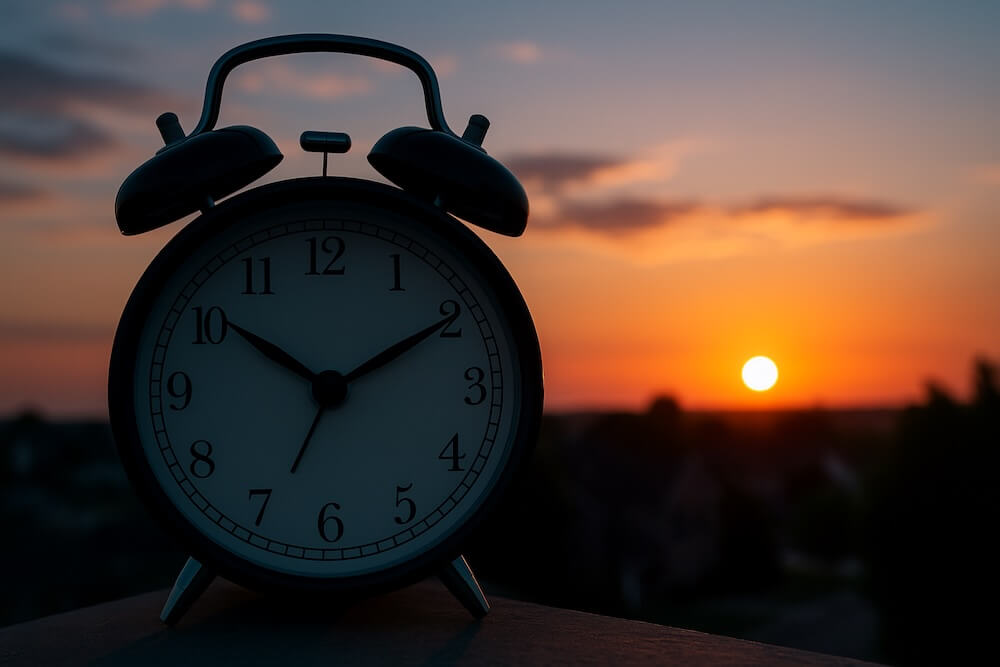
When Madison residents set their clocks back this weekend, it’s more than just gaining an extra hour of sleep. For many, Daylight Saving Time (DST) marks the beginning of darker evenings, slower commutes and a subtle shift in mood and routine.
While the rest of the nation debates whether to keep or ditch the tradition altogether, Madison residents are feeling the effects right here at home.
Why Do We Still Do This?
Daylight Saving Time began as a way to maximize daylight hours and save energy. The idea... shift an hour of sunlight from the early morning to the evening. But in modern life... with LED lighting, hybrid work and year-round activity... many argue it’s an outdated concept.
The state officially voted in 2021 to stay on Daylight Saving Time permanently if the federal government ever allows it. But so far, Congress hasn’t approved the change... meaning Madison still “falls back” every November and “springs forward” every March. So, for now, we live in time limbo.
Who Doesn’t Change Their Clocks? Not every state or region in the U.S. observes Daylight Saving Time and those places might just be onto something.
Hawaii opted out of Daylight Saving Time in 1967 and has stayed on standard time ever since. Its location near the equator means sunrise and sunset times barely change throughout the year.
Most of Arizona doesn’t observe DST either. Residents there enjoy consistent schedules year-round... though the Navajo Nation, which spans multiple states, does follow the time change to stay aligned with neighboring regions.
U.S. Territories including Puerto Rico, Guam, American Samoa and the U.S. Virgin Islands also skip the time change entirely.
So if you’re tired of changing your clocks, you might envy those sunny, time-stable states... no confusion, no missed meetings, and no “wait, is it 7 or 8?” moments.
How the Time Change Hits Madison Residents Madison families, commuters and businesses must adapt. The sun rises earlier, helping early risers... but bedtime for kids becomes trickier. With sunset now around 4:50 p.m., darker commutes raise safety concerns for pedestrians and bus routes. These shorter daylight hours can affect mood and energy levels, especially during overcast winter weeks.
We Are Ready for Change Alabama leaders have made it clear... if given the option, the state would love to end the clock-switching cycle. In fact, polls show most residents would rather keep one consistent time year-round.
Still, until the federal government passes the Sunshine Protection Act (a proposal to make Daylight Saving Time permanent), Madison will continue the twice-a-year ritual of clock adjustment, sleep confusion and coffee-fueled mornings.
As we “fall back,” Madison feels the shift in subtle ways from school mornings to evening dog walks. Some love the extra daylight in the morning, while others miss the longer evenings of summer. But one thing’s certain: whether we’re springing forward or falling back, Madison is the best place to spend it. |




0 Comments
Join the conversation
Be the first to comment
Share your thoughts above.