

Are Home Warranties Worth It? |
A home warranty can help with repairs, but the contract matters more than anything else. |
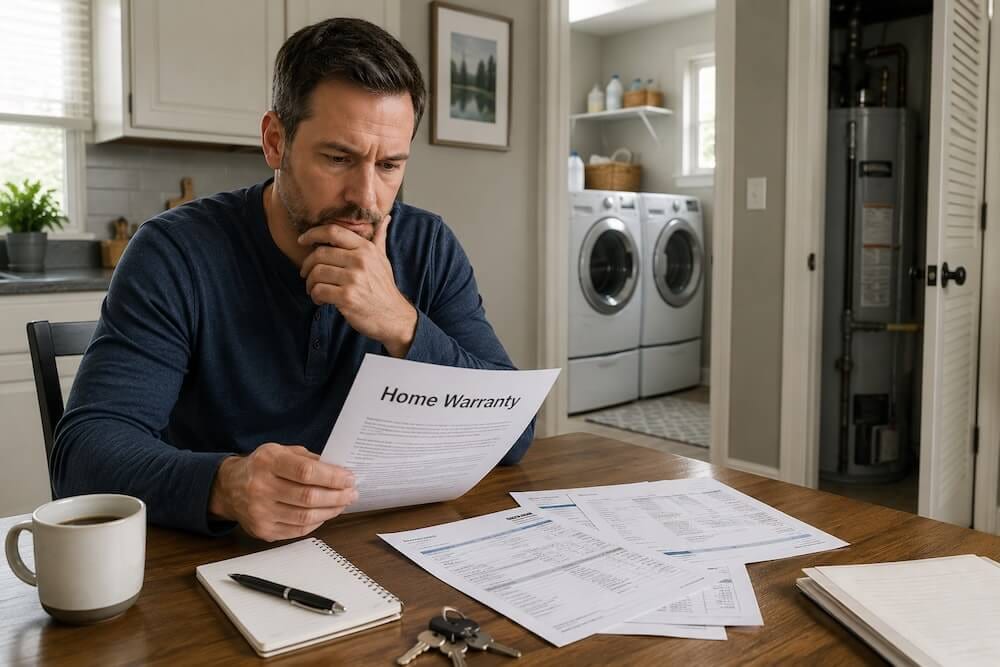
A home warranty sounds simple when you are buying a house. Pay for the plan, something breaks and the warranty company helps cover the repair. Sometimes that is exactly what happens. Other times, homeowners learn the hard way that a home warranty is full of limits, service fees, exclusions and fine print.
A better way to think about it is this... a home warranty is not a magic repair fund. The Federal Trade Commission says many so-called home warranties are service contracts, which means they are separate agreements that cover certain repairs for a set period of time. The FTC also gives one of the best rules for reading these contracts... if it is not listed in the contract, assume it is not covered.
That doesn't mean they are useless. When I bought my house, the home warranty helped cover parts to repair a washer and a replacement water heater. That saved money. But it did not replace an under-slab leak. That is the part homeowners need to understand before deciding whether a plan is worth buying or renewing.
What a Home Warranty Usually Covers
Most home warranties focus on major systems and appliances that fail from normal wear and tear. Depending on the plan, that may include appliances like a washer, dryer, refrigerator, dishwasher, oven or built-in microwave. It may also include systems like HVAC, plumbing, electrical, water heaters or garage door openers.
The words "depending on the plan" are doing a lot of work. One contract may cover a water heater. Another may cover only certain components. One may cover plumbing stoppages inside the home but exclude problems outside the foundation or under the slab. Some plans have dollar limits for each item, each visit or each contract year.
This is why homeowners should read the sample contract before buying. Do not rely on the brochure. Find the section that lists covered items, exclusions, dollar caps, service call fees and who gets to choose the contractor.
What a Home Warranty Usually Does Not Cover
That under-slab leak example is a good reminder. A homeowner may see "plumbing" on the coverage list and assume the whole plumbing system is protected. The contract may say something different. It may cover certain accessible plumbing repairs but exclude slab leaks, excavation, concrete work, main lines, drain lines outside the home or damage caused by the leak.
Home warranties also do not work like homeowners insurance. Homeowners insurance usually deals with covered sudden events, like fire, wind or some types of water damage. A home warranty deals with covered repair or replacement of specific systems and appliances. NerdWallet notes that home warranty service fees are sometimes called deductibles, but home warranties do not work the same way as insurance policies.
A home warranty can reduce stress for a new homeowner who does not have a large repair fund yet. If the water heater fails, the dishwasher stops or the A/C needs a covered repair, the warranty may soften the blow.
It can also help during the first year after buying a home. That first year is expensive. Movers, furniture, blinds, repairs, tools and yard equipment all show up at once. A home warranty can give a homeowner one number to call when a covered item fails.
Why Some Homeowners Skip Them
The biggest frustration is control. The warranty company usually decides whether the claim is covered, which contractor comes out and whether the item gets repaired or replaced. Homeowners may not get to choose their preferred plumber, electrician or HVAC company.
The second frustration is expectations. A homeowner may think a failing system will be replaced. The company may approve a smaller repair. A homeowner may expect a quick fix. The contractor may need approval, parts or a second visit.
The third issue is math. Consumer Reports has long recommended that consumers consider putting the money they would spend on a home warranty or service contract into a repair savings account instead. That approach gives the homeowner more control, but it also requires discipline and enough cash to handle a repair when it happens.
Ask these before you pay...
In Alabama, service contract providers are regulated separately from regular insurance. The Alabama Department of Insurance says people selling service contracts in Alabama must be registered with the Commissioner of Insurance. That is worth knowing because a home warranty is a contract product, not a homeowners insurance policy.
When a Home Warranty May Be Worth It
A home warranty may be worth considering if the house has older appliances, the seller pays for the first year or you are buying a home and want a little help during the first year. It may also make sense if you do not have a strong list of local contractors yet.
It is more likely to help when the plan covers the items you are worried about and the coverage limits are realistic. A plan that covers a water heater with a meaningful replacement allowance is different from a plan with low caps and a long exclusion list.
For some families, the warranty is less about beating the math and more about buying a little breathing room.
When It May Not Be Worth It
A home warranty may not be worth it if you already have a solid emergency fund, prefer choosing your own contractors or own newer appliances still under manufacturer warranty. It may also be a poor fit if the contract excludes the exact problems you are most worried about.
If your biggest concern is an under-slab leak, roof issue, foundation problem or major structural repair, read the contract carefully. Many home warranty plans are not built for those problems.
Wrap Up
Home warranties can help, but only when homeowners know what they are buying. They can cover useful repairs, like appliance parts or a water heater replacement. They can also deny expensive problems that feel like they should be covered.
Before buying or renewing, read the contract like a homeowner who already has a problem. Search for the exact words you care about: water heater, washer, HVAC, plumbing, slab leak, drain line, limits, exclusions and replacement. The value is not in the word "warranty." The value is in the covered items, the limits and whether the contract matches the house you own.
|




6 Comments
Join the conversation
Our seller paid for the first year and the A/C needed a repair four months in. That one time it actually worked out for us.
Bought my first house in March and the seller included a warranty. Honestly did not even read the full contract yet. Going to go find that thing right now after reading this. Had no idea sewer lines might not be covered.
I actually do the savings account method Consumer Reports talks about. Been doing it for 4 years now. Had enough in there to cover a new HVAC blower motor without touching my regular savings. Takes discipline but I like controlling who I call.
The slab leak part is so real. We had one last year and our warranty company basically laughed at us. Covered the pipe repair but not the concrete, not the excavation, not the damage to the floors. Read that contract before you sign anything.
I just put the money in a savings account instead. More control and I get to call whoever I want when something breaks.
The part about slab leaks is so true. We had one two years after buying our house and the warranty covered nothing. Felt like we got played.